
 By
By 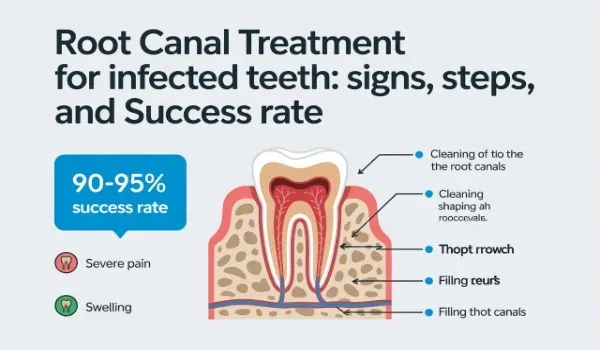
Dental health is essential for overall well-being, and one of the most effective solutions for treating infected teeth is Root Canal Treatment.
When bacteria invade the inner pulp of a tooth, it can lead to severe pain, swelling, and even tooth loss if left untreated. Understanding the signs, the procedure, and the success rate of root canal therapy can help patients make informed decisions about their dental care.
Signs You Might Need Root Canal Treatment
Identifying an infected tooth early can prevent complications. Some common signs that indicate the need for Root Canal Treatment include:
- Severe Toothache: Persistent or throbbing pain, especially when chewing or applying pressure, often signals infection within the tooth pulp.
- Sensitivity to Hot and Cold: A tooth that reacts painfully to hot or cold foods and beverages may have damaged or inflamed nerves.
- Swollen Gums or Abscess: Swelling near the affected tooth, accompanied by pus or tenderness, can indicate an abscess, which requires prompt treatment.
- Discoloration of the Tooth: A darkened tooth may be a result of nerve damage, making it more vulnerable to infection.
- Cracked or Chipped Tooth: Damage to a tooth’s structure can expose the pulp to bacteria, necessitating a root canal procedure.
Recognizing these signs early allows patients to seek timely dental care and avoid more invasive procedures like wisdom tooth extraction cost.
Steps Involved in Root Canal Treatment
The Root Canal Treatment procedure is designed to eliminate infection, save the tooth, and restore its function. Here’s a step-by-step overview of what patients can expect:
- Diagnosis and Examination: The dentist will take X-rays to assess the extent of the infection and determine whether the tooth can be preserved.
- Local Anesthesia: To ensure patient comfort, the dentist administers a local anesthetic to numb the affected area.
- Pulp Removal: The infected or inflamed pulp inside the tooth is carefully removed using specialized dental instruments.
- Cleaning and Shaping the Canal: The hollow root canals are cleaned thoroughly and shaped to prepare for filling. This step prevents the spread of infection.
- Filling the Canals: The cleaned canals are filled with a biocompatible material, usually gutta-percha, to seal the tooth and prevent further infection.
- Restoration: After the root canal is completed, the tooth is restored with a crown or filling to provide strength and function comparable to a natural tooth.
The entire procedure is typically completed in one or two visits, depending on the complexity of the infection and the number of canals in the tooth.
Success Rate of Root Canal Treatment
Root Canal Treatment has a high success rate, making it a reliable option for saving infected teeth. Studies show that approximately 85–97% of root canal procedures are successful when performed correctly. Factors that contribute to a successful outcome include:
- Early diagnosis and timely treatment.
- Proper cleaning and sealing of the canals.
- Use of advanced dental technology like digital X-rays and rotary instruments.
- Following post-treatment care instructions diligently.
With modern techniques and good oral hygiene, a tooth treated with a root canal can last a lifetime. Patients are advised to maintain regular dental check-ups to monitor the health of treated teeth.
Benefits of Root Canal Treatment
Opting for Root Canal Treatment offers several advantages:
- Preserves Natural Teeth: Unlike extractions, a root canal saves the natural tooth structure, maintaining proper chewing function.
- Relieves Pain: The procedure eliminates infection and nerve inflammation, alleviating discomfort effectively.
- Prevents Spread of Infection: Treating the infected tooth prevents bacteria from spreading to surrounding teeth, gums, and jawbone.
- Enhances Oral Health: A treated tooth restores overall dental health, improving bite alignment and aesthetics.
Conclusion
Root Canal Treatment is a highly effective solution for saving infected teeth and restoring oral health. By recognizing the early signs of infection and seeking timely dental care, patients can avoid complications and maintain their natural teeth.
The procedure is safe, reliable, and backed by a high success rate, ensuring that you can eat, speak, and smile with confidence. Modern dentistry has made root canals virtually painless, and with proper care, your treated tooth can last a lifetime.
FAQs
1. Is Root Canal Treatment painful?
Modern techniques and local anesthesia make root canal procedures virtually painless. Patients may experience mild discomfort for a few days after treatment, which can be managed with over-the-counter pain medications.
2. How long does a root canal tooth last?
With proper care, a tooth treated with root canal therapy can last a lifetime. Good oral hygiene and regular dental visits are key to maintaining the longevity of the treated tooth.
3. Can I eat normally after root canal treatment?
Yes, but it’s recommended to avoid chewing hard foods on the treated tooth until the final restoration, like a crown, is placed. Soft foods are ideal immediately after the procedure.
















Comments