
 By
By 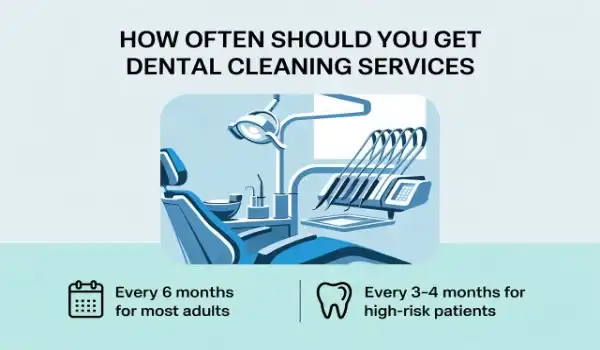
Maintaining good oral hygiene is essential for a healthy smile and overall well-being. While daily brushing and flossing play a crucial role, they are not enough to remove all plaque and tartar buildup.
This is where professional Dental Cleaning Services become important. But one common question people ask is: how often should you actually visit the dentist for cleaning? Let’s explore the ideal frequency and why it matters.
Understanding the Importance of Regular Dental Cleanings
Professional cleanings go beyond what you can achieve at home. Over time, plaque hardens into tartar, which cannot be removed by regular brushing. If left untreated, this can lead to gum disease, cavities, and other oral health problems.
Dental Cleaning Services help remove stubborn deposits, polish your teeth, and keep your gums healthy. Regular visits also allow dentists to detect early signs of dental issues, preventing costly treatments in the future.
Recommended Frequency for Dental Cleaning
For most people, dentists recommend getting Dental Cleaning Services every six months. This standard interval works well for individuals with generally good oral health.
However, the ideal frequency can vary depending on your specific needs:
- Every 6 months – Suitable for people with healthy teeth and gums
- Every 3–4 months – Recommended for those with gum disease or a history of dental problems
- Once a year – May be enough for individuals with excellent oral hygiene and low risk of issues
Your dentist will assess your oral condition and suggest a schedule tailored to you.
Factors That Affect Cleaning Frequency
Not everyone has the same dental care needs. Several factors influence how often you should schedule cleanings:
1. Oral Hygiene Habits
If you brush and floss regularly and correctly, you may need fewer visits. Poor oral hygiene increases plaque buildup, requiring more frequent cleanings.
2. Gum Health
People with gingivitis or periodontitis often need more frequent Dental Cleaning Services to control bacteria and prevent further damage.
3. Lifestyle Choices
Smoking, frequent consumption of sugary foods, and certain dietary habits can increase the risk of dental issues, making regular cleanings more necessary.
4. Medical Conditions
Conditions like diabetes can affect gum health, requiring closer monitoring and more frequent dental visits.
5. Age and Genetics
Some individuals are naturally more prone to plaque buildup and gum disease, regardless of their oral care routine.
Signs You May Need More Frequent Cleanings
Even if you follow a six-month schedule, certain signs indicate you should visit your dentist sooner:
- Bleeding gums while brushing or flossing
- Persistent bad breath
- Yellow or brown tartar buildup on teeth
- Tooth sensitivity or discomfort
- Gum swelling or redness
Ignoring these symptoms can lead to more serious oral health problems.
What Happens During a Dental Cleaning Session?
Understanding the process can help you feel more comfortable about regular visits. A typical cleaning session includes:
- Examination – The dentist or hygienist checks your teeth and gums for any issues.
- Scaling – Removal of plaque and tartar from teeth and gum line.
- Polishing – Teeth are polished to remove stains and smooth the surface.
- Flossing and Rinse – A thorough clean between teeth and a final rinse.
These steps ensure your mouth stays clean, fresh, and healthy.
Benefits of Regular Dental Cleaning
Sticking to a proper cleaning schedule offers several advantages:
- Prevents cavities and gum disease
- Keeps your breath fresh
- Removes stains for a brighter smile
- Detects dental issues early
- Saves money on future treatments
Regular Dental Cleaning Services are a simple yet effective way to maintain long-term oral health.
Conclusion
The frequency of dental visits depends on your individual oral health, but for most people, scheduling Dental Cleaning Services every six months is ideal. Regular cleanings not only keep your smile bright but also protect you from serious dental problems in the long run. By following your dentist’s recommendations and maintaining proper oral hygiene at home, you can ensure a healthy and confident smile for years to come.
FAQs
1. Is dental cleaning painful?
Dental cleaning is usually painless. You may feel slight discomfort if you have sensitive teeth or gum issues, but it is generally manageable.
2. Can I skip dental cleanings if I brush daily?
No, brushing alone cannot remove hardened tartar. Professional cleaning is essential for complete oral care.
3. How long does a dental cleaning take?
A typical session lasts between 30 minutes to an hour, depending on your oral condition.
4. Are dental cleanings safe for everyone?
Yes, dental cleanings are safe and recommended for people of all ages, including children and seniors.
5. What should I do after a dental cleaning?
Maintain good oral hygiene by brushing twice daily, flossing regularly, and following your dentist’s advice.














Comments