
 By
By 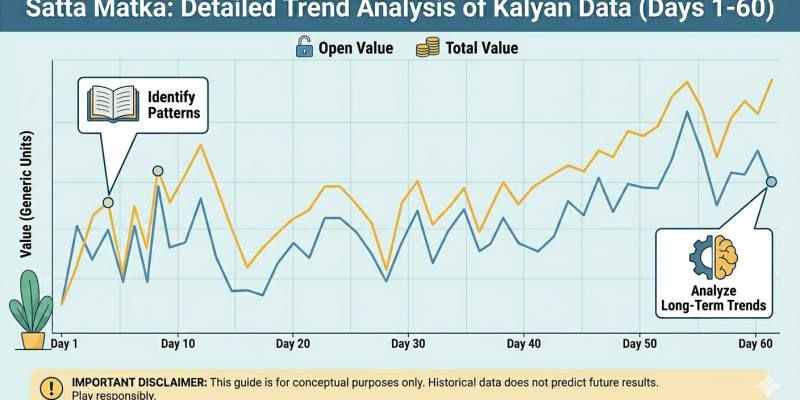
Understanding number-based charts can feel confusing at first, but with a simple approach, anyone can learn how to read and follow daily patterns. The Stta Matka Klyan Chart is commonly used as a structured way to observe number sequences and track trends over time. In this guide, we will explain how these charts work, how to read them, and how basic number logic helps in understanding daily updates.
What is a Stta Matka Klyan Chart?
A Stta Matka Klyan Chart is a table-like format where numbers are arranged in rows and columns. It helps users view past records in an organized way so they can understand how numbers have changed over time. Instead of looking at scattered data, this chart provides a clear structure that makes observation easier.
For beginners, the goal is to understand how numbers appear and repeat rather than trying to predict anything. With regular practice, reading such charts becomes simple and intuitive.
How the Chart is Structured
The chart is usually divided into sections that represent different days or time periods. Each row contains a set of numbers, and over time, these rows form a pattern.
Key elements to focus on include:
- Rows and columns: Show number placement
- Sequence order: Displays how numbers progress
- Repetition: Highlights commonly appearing digits
- Missing numbers: Helps identify gaps in patterns
By studying these elements carefully, users can begin to notice trends and improve their understanding.
Role of Final Ank Matka in Number Understanding
Another helpful concept when studying charts is Final Ank Matka. It focuses on deriving a single digit from a set of numbers, which makes analysis easier.
For example, when numbers are added together, the last digit of the total becomes the final outcome. This method simplifies complex data into a single digit, making it easier to compare with chart patterns.
When used alongside the Stta Matka Klyan Chart, Final Ank Matka helps users break down numbers and see connections more clearly. This combination is especially useful for beginners who are just starting to learn number logic.
Identifying Daily Trends
Tracking daily trends is all about observation and consistency. Here are some simple ways to identify patterns:
- Look for numbers that repeat frequently
- Observe how long it takes for a number to appear again
- Compare different rows to find similarities
- Focus on simple patterns instead of overthinking
Using the Stta Matka Klyan Chart regularly helps you build familiarity with these trends. Over time, you will start recognizing patterns more naturally.
Tips for Beginners
If you are new to chart reading, follow these easy tips:
- Start by studying a small portion of the chart
- Practice daily to improve understanding
- Keep a record of important numbers
- Use Final Ank Matka to simplify number analysis
- Stay consistent and avoid rushing
These steps will help you build a strong foundation and make learning easier.
Conclusion
The Stta Matka Klyan Chart provides a simple and structured way to track and understand number trends. By focusing on chart structure, observing patterns, and using methods like Final Ank Matka, beginners can gradually improve their skills. The key is to stay consistent, practice regularly, and focus on learning rather than rushing. With time, reading charts becomes easier and more effective.
FAQs
1. What is a Stta Matka Klyan Chart?
It is a structured chart that displays numbers in an organized format to help users track patterns and trends.
2. How does Final Ank Matka help in understanding charts?
Final Ank Matka simplifies number sets by converting them into a single digit, making analysis easier.
3. Is it difficult to learn chart reading?
No, with regular practice and simple observation, anyone can learn it easily.
4. How often should I check the chart?
Checking daily helps in identifying patterns and improving understanding over time.
5. Can beginners use both chart and number logic together?
Yes, combining chart reading with Final Ank Matka makes it easier to understand number behavior and trends.








Comments