
 By
By 
Understanding number trends becomes much easier when you have a structured way to track past data. The Kalyan Chart is one such tool that helps users observe patterns, review historical records, and build a consistent tracking routine. For anyone looking to improve their daily analysis, learning how to read and interpret the Kalyan Chart effectively is an important step.
What is Kalyan Chart?
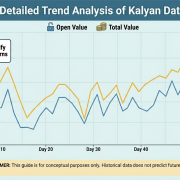
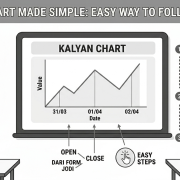
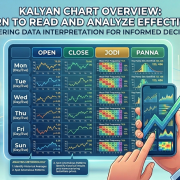
The Kalyan Chart is a tabular representation of previous results arranged in a clear and organized format. It typically displays numbers according to dates, making it easier for users to go back and review past data. This structured layout allows for better comparison and pattern recognition.
Instead of relying on guesswork, users can use the Kalyan Chart to make observations based on actual records. It serves as a reference point for tracking how numbers change over time.
How to Read Kalyan Chart
Reading the Kalyan Chart may seem confusing at first, but once you understand the basics, it becomes quite simple. Here’s how you can approach it:
1. Understand the Layout
Start by familiarizing yourself with the structure of the chart. Most charts display dates in rows or columns along with corresponding numbers.
2. Focus on Recent Data
Always begin with the latest entries. This helps you stay updated with current trends before diving into older data.
3. Observe Number Patterns
Look for repeating numbers or sequences. These patterns often become noticeable when you review multiple days together.
4. Check Frequency
Identify which numbers appear more frequently over a certain period. Frequency analysis can help you understand trends better.
5. Track Missing Numbers
Pay attention to numbers that have not appeared for some time. These gaps can be useful when comparing patterns.
Effective Analysis Techniques
To use the Kalyan Chart efficiently, it’s important to apply simple analysis techniques:
- Daily Tracking: Make it a habit to check updates regularly
- Weekly Comparison: Analyze data in weekly segments for better clarity
- Note-Taking: Maintain your own record of observations
- Pattern Recognition: Focus on identifying trends rather than isolated data
These techniques can help you build a practical approach to understanding number movements.
Benefits of Using Kalyan Chart
There are several reasons why many users prefer using the Kalyan Chart:
- Easy access to historical data
- Clear and organized format
- Helps in identifying patterns quickly
- Encourages consistent tracking habits
With regular use, it becomes easier to interpret data and improve your analytical skills.
Common Mistakes to Avoid
While learning to use the Kalyan Chart, avoid these common errors:
- Analyzing only one day’s data
- Ignoring long-term trends
- Overcomplicating the process
- Not staying consistent with updates
Keeping your approach simple and steady will give better results over time.
Conclusion
The Kalyan Chart is a powerful yet simple tool for anyone interested in tracking and analyzing number patterns. By understanding its structure and applying basic analysis techniques, users can gain valuable insights from daily and historical data. The key lies in consistency, patience, and a practical approach. With regular practice, reading and analyzing the chart becomes easier and more effective.
FAQs
1. What is the purpose of Kalyan Chart?
The Kalyan Chart helps users track past number data and analyze patterns in a structured way.
2. Is Kalyan Chart suitable for beginners?
Yes, it is easy to understand and can be used effectively with regular practice.
3. How can I improve my analysis using Kalyan Chart?
By tracking data daily, comparing weekly trends, and maintaining notes, you can improve your analysis.
4. Why is consistency important while using Kalyan Chart?
Consistency helps you identify patterns more accurately over time.
5. Can I use Kalyan Chart for long-term tracking?
Yes, reviewing past records allows you to understand long-term trends and patterns.










Comments