
 By
By 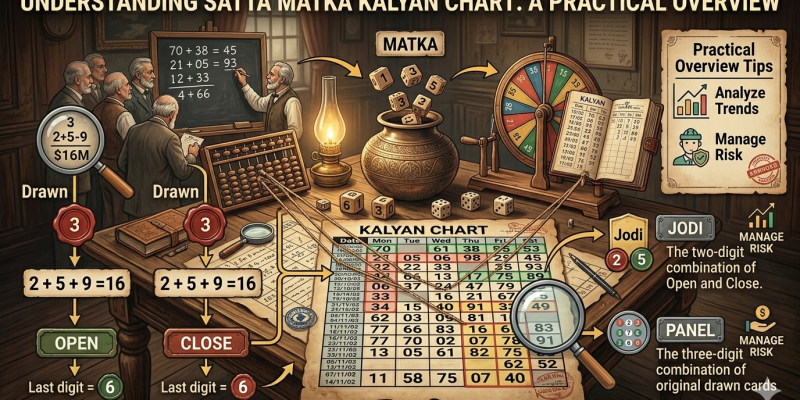
The process of analyzing number-based records has always attracted individuals who enjoy logical thinking and pattern observation. One such method involves studying the Stta Matka Klyan Chart, which is commonly used to review past results and identify trends. Rather than relying on assumptions, this approach focuses on structured data and careful interpretation.
What is a Kalyan Chart?
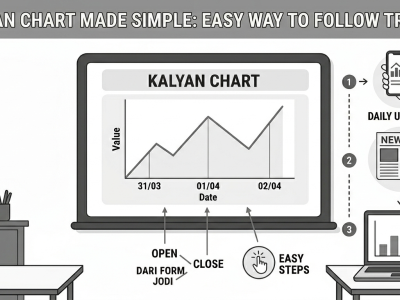
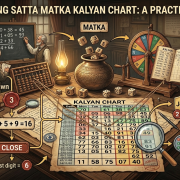
A Kalyan chart is a well-organized record of previous results displayed in a tabular or sequential format. It allows users to examine how numbers have appeared over a period of time. By going through these records, it becomes easier to notice repeating patterns, gaps, and number sequences.
The Stta Matka Klyan Chart serves as a helpful reference for anyone who wants to approach number analysis in a systematic way. It provides clarity and makes it easier to compare past outcomes without confusion.
Importance of Understanding the Chart
Understanding the structure of the chart is the first step toward effective analysis. Each section of the chart represents a specific time frame or set of results. When you know how to read and interpret these sections, you can begin to identify meaningful insights.
Some key benefits include:
- Better understanding of number frequency
- Ability to track repeating patterns
- Improved observation of number gaps
- Enhanced logical thinking skills
This makes the chart a useful tool for those who prefer a data-driven approach.
How to Read the Chart Effectively
Reading the chart correctly is essential for making sense of the data. Start by focusing on one section at a time rather than trying to analyze everything at once. Look at how numbers are arranged and note any repetitions or unusual patterns.
Next, compare recent results with older ones. This helps in identifying whether certain numbers follow a cycle or appear randomly. Over time, you will develop a better sense of how the data behaves.
Practical Ways to Analyze Results
1. Observe Number Frequency
Check which numbers appear more often. Frequent numbers can provide useful insights into patterns.
2. Identify Missing Numbers
Numbers that have not appeared for a long time may become important in your analysis.
3. Study Pair Combinations
Looking at how numbers appear in pairs can help uncover hidden relationships within the data.
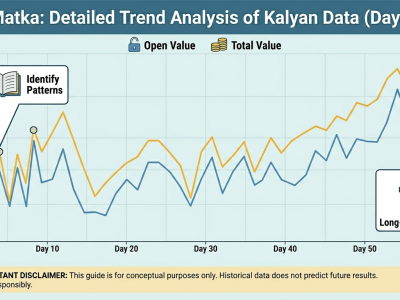
4. Track Weekly or Monthly Trends
Instead of focusing only on daily results, analyze longer periods to get a clearer picture.
5. Keep Personal Notes
Maintaining your own record of observations can improve your understanding and help refine your approach.
Common Challenges
While analyzing charts can be helpful, it is not always easy. Some common challenges include:
- Misinterpreting patterns
- Overanalyzing small data sets
- Ignoring long-term trends
- Lack of consistency in observation
To overcome these challenges, it is important to stay patient and maintain a balanced approach.
Conclusion
The Stta Matka Klyan Chart provides a practical way to understand number patterns through structured data analysis. By learning how to read the chart, observing trends, and applying simple analytical methods, you can improve your ability to interpret results effectively. Consistency, patience, and clear thinking are essential for making the most of this approach. Over time, regular practice will help you build confidence and develop a deeper understanding of number behavior.
FAQs
1. What is the purpose of a Kalyan chart?
It helps organize past results so users can analyze patterns and trends in a structured way.
2. How can beginners start using the chart?
Beginners should start by observing basic patterns, understanding the layout, and practicing regularly.
3. Is it necessary to study old data?
Yes, historical data provides valuable insights and helps identify long-term trends.
4. Can chart analysis improve accuracy?
It can improve understanding and decision-making, but it does not guarantee specific outcomes.
5. How often should the chart be reviewed?
Regular review, such as daily or weekly, helps maintain consistency and improves analysis skills.









Comments