
 By
By 
Understanding how to read and analyze number-based charts can be a valuable skill, especially when the data is presented in a structured format. One such format is the Kalyan Panel Chart, which organizes numbers in a way that makes it easier to observe patterns and trends over time. For beginners and experienced users alike, applying smart and simple strategies can significantly improve the way trends are studied.
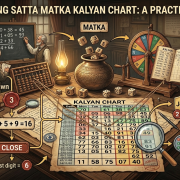
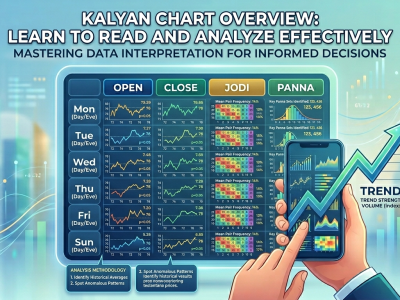
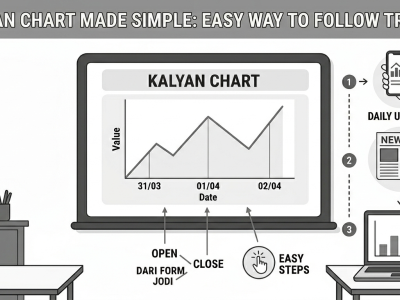
The Kalyan Panel Chart Chart is essentially a visual representation of historical number sequences. Each entry is placed in a tabular format, allowing users to quickly scan past data and compare changes. Instead of approaching it with complexity, the best results often come from focusing on clear observation and consistent practice.
Start with Understanding the Layout
Before applying any strategy, it is important to understand how the chart is structured. Typically, numbers are arranged in rows and columns, with each section representing a specific time frame. This organized format helps in identifying patterns without confusion.
Take time to go through the chart slowly. Look at how numbers are distributed and repeated. Familiarity with the structure is the first step toward building an effective strategy.
Focus on Pattern Recognition
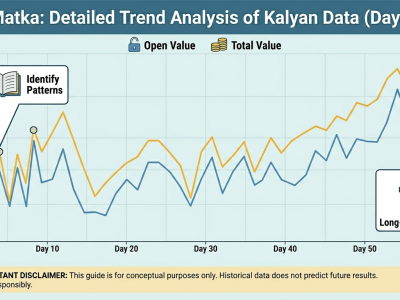
One of the smartest ways to study trends is by identifying patterns. Patterns can appear in many forms, such as repeated numbers, sequences, or clusters. When certain numbers appear more frequently within a short span, they often stand out clearly on the chart.
Marking or highlighting these patterns can help you track them more effectively. Over time, you’ll begin to notice how certain sequences behave, making it easier to understand the overall trend.
Track Frequency and Gaps
Another important strategy is to balance your focus between frequent numbers and missing ones. Numbers that appear often indicate repetition, while those that are absent for a long time create gaps.
By tracking both aspects, you gain a more complete understanding of the chart. This dual approach allows you to see not just what is happening, but also what is not happening both of which are equally important.
Use Simple Comparisons
You don’t need advanced techniques to analyze trends effectively. Simple comparisons, such as checking differences between adjacent numbers or observing how values shift across rows, can reveal useful insights.
For example, you can look at how numbers change from one row to the next or identify sequences that follow a particular pattern. These small observations can provide clarity without overwhelming you.
Build a Consistent Routine
Consistency is a key factor in mastering any chart analysis. Instead of trying to analyze everything at once, spend a few minutes each day reviewing the chart. Mark important patterns, note changes, and keep track of your observations.
Maintaining a notebook or digital record can also be helpful. It allows you to compare past and present trends, helping you refine your strategy over time.
Avoid Overcomplication
A common mistake is trying to apply too many strategies at once. This often leads to confusion rather than clarity. The Kalyan Panel Chart Chart becomes much easier to understand when you keep your approach simple and focused.
Start with basic techniques like pattern recognition, frequency tracking, and simple comparisons. Once you are comfortable, you can gradually explore more advanced methods.
Conclusion
Studying trends in the Kalyan Panel Chart doesn’t require complex methods. By focusing on simple yet effective strategies such as recognizing patterns, tracking frequency and gaps, and maintaining consistency you can develop a strong understanding of the data. Patience and regular practice are essential. Over time, these smart techniques will help you analyze trends more confidently and efficiently.
FAQs
1. What is a Kalyan Panel Chart Chart?
It is a structured chart that displays historical number sequences in a tabular format for trend observation.
2. What is the best strategy for beginners?
Start with understanding the layout and focus on identifying simple patterns and repetitions.
3. Why are gaps important in analysis?
Gaps highlight missing numbers, which can provide additional insight into overall trends.
4. Do I need advanced tools or calculations?
No, basic observation and simple comparisons are enough to begin with.
5. How can I improve my trend analysis skills?
Practice regularly, keep your approach simple, and track your observations consistently.









Comments