
 By
By 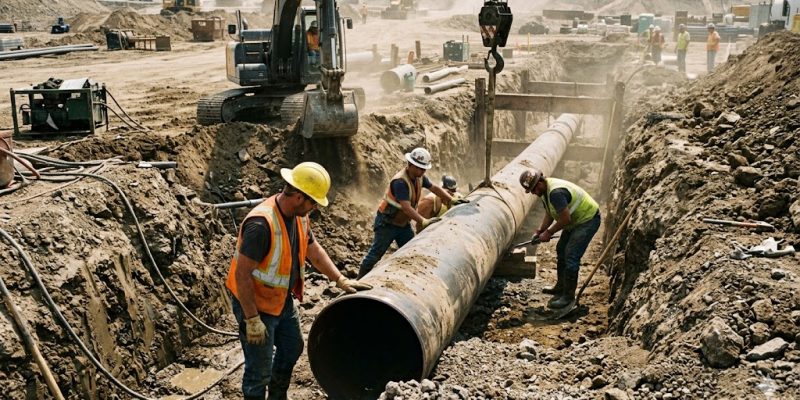
Pipelines are very important because they carry water, oil, gas, and other materials from one place to another. Many pipelines are underground and pass through areas like roads, railways, and industrial zones. Because of this, they can get damaged easily, so they need proper protection. Casing insulators help in protecting these pipelines and keeping them safe from damage.
One small but important part of this protection system is casing insulators. Even though they are small, they help keep pipelines safe and in the right position.
In this blog, we will understand in very simple language how casing insulators help protect pipelines and why they are important.
What Are Casing Insulators?
Casing insulators are parts that are placed around a pipeline when it goes inside a bigger outer pipe, called a casing pipe.
Their main jobs are:
- To keep the pipeline in the center of the casing
- To stop the pipeline from touching the casing
- To protect the pipeline’s coating from damage
They are usually made from strong materials like HDPE, nylon, or other non-metal materials. These materials do not get damaged easily, can handle heavy weight, and work well in different conditions.
Why Do Pipelines Need Protection Systems?
Pipelines face many problems, especially when they are underground or in tough environments. Without proper protection, pipelines can get damaged over time.
Some common problems include:
- Corrosion caused by moisture, chemicals, and soil
- Damage due to heavy loads or external pressure
- Friction damage during installation
- Misalignment inside casing pipes
To solve these issues, engineers use pipeline protection systems like coatings, cathodic protection, and casing pipes. Casing insulators support these systems and make them more effective.
How Casing Insulators Support Pipeline Protection Systems
Let’s understand their role step by step in simple language:
1. Prevent Direct Contact Between Pipeline and Casing
When a pipeline goes into a casing pipe, both surfaces may touch each other. This direct contact can damage the pipeline coating.
Casing insulators create a proper gap between the pipeline and the casing. This gap ensures that:
- The pipeline does not rub against the casing
- The protective coating remains safe
- The chances of damage are reduced
This is one of the most basic and important functions of casing insulators.
2. Help in Preventing Corrosion
Corrosion is one of the biggest reasons for pipeline damage and failure, especially in underground pipelines. It happens when metal reacts with moisture and other elements in the environment.
If the pipeline touches the casing directly:
- Moisture can get trapped
- Coating can get damaged
- Corrosion can start easily
Casing insulators act as a barrier and prevent this contact. They help keep coating and cathodic protection systems effective, which control corrosion.
3. Maintain Proper Alignment of the Pipeline
During installation, it is very important to keep the pipeline straight and properly aligned inside the casing.
Casing insulators help by:
- Keeping the pipeline centered
- Preventing bending or tilting
- Ensuring smooth positioning
Proper alignment reduces stress on the pipeline and supports overall pipeline safety and long-term performance.
4. Support Load and External Pressure
Pipelines often pass through areas where heavy loads are present, such as roads, highways, and railway tracks.
Casing insulators are designed to:
- Carry the weight of the pipeline
- Distribute the load evenly
- Reduce pressure on specific points
This helps prevent damage caused by heavy external forces and keeps the pipeline structure strong.
5. Reduce Friction During Installation
During installation, pipelines are pushed or pulled through casing pipes. This process can create friction, which may damage the outer coating.
Casing insulators reduce friction by:
- Acting as a smooth support between pipeline and casing
- Preventing direct metal-to-metal contact
- Making installation easier and safer
This ensures that the pipeline coating remains intact and effective.
6. Improve Pipeline Life and Performance
All the above functions together help in increasing the overall life of the pipeline.
With casing insulators:
- The pipeline remains protected for a longer time
- Reduce maintenance and repair costs
- minimize the chances of failure
This makes casing insulators a smart and cost-effective solution.
Types of Casing Insulators
Different types of casing insulators are available depending on the application and load requirements.
Some common types include:
- HDPE Casing Insulators
Lightweight, corrosion-resistant, and widely used in many projects - Nylon Casing Insulators
Strong and suitable for higher load applications - Metal-Reinforced Insulators
Used in heavy-duty conditions where extra strength is needed
Choosing the right type depends on project requirements and environmental conditions.
Where Are Casing Insulators Used?
Casing insulators are used in many industries and applications, such as:
- Oil and gas pipelines
- Water supply systems
- Underground utility pipelines
- Cross-country pipeline projects
- Industrial piping systems
They are especially important where pipelines cross roads, railways, or other critical areas.
Key Advantages of Using Casing Insulators
Here are some simple benefits:
- Protect pipeline coating from damage
- Prevent corrosion and moisture contact
- Maintain proper alignment
- Handle heavy loads effectively
- Reduce friction during installation
- Improve pipeline protection system efficiency
How to Choose the Right Casing Insulator
Selecting the right casing insulator is very important for good performance.
Some factors to consider include:
- Size and diameter of the pipeline
- Load-bearing capacity required
- Type of environment (soil, moisture, temperature)
- Material quality
- Ease of installation
It is always better to choose a trusted and experienced manufacturer to ensure quality and reliability.
Conclusion
Casing insulators may look like small components, but their role in pipeline protection systems is very important. They help prevent damage, reduce corrosion, maintain alignment, and support the pipeline under different conditions.
In simple words, casing insulators act as a protective support. also they keep pipelines safe, stable, and long-lasting. By using the right casing insulators, industries can improve safety, reduce costs, and ensure smooth pipeline operations for many years.












Comments