
 By
By 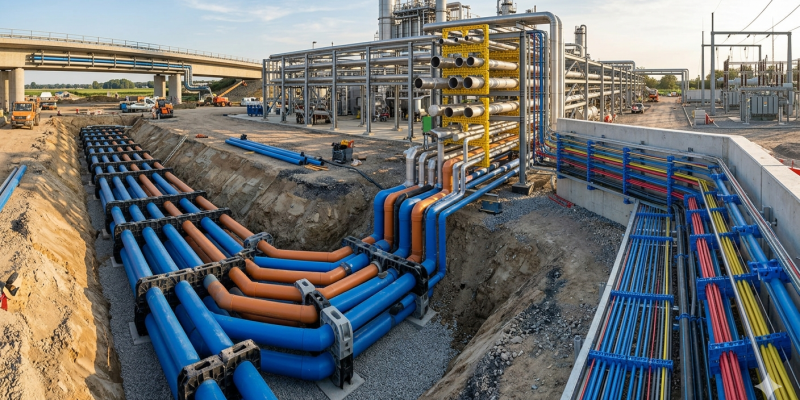
Introduction
Pipes are used everywhere in construction. They carry water, sewage, chemicals, and even cables for electricity and communication. Pipes need to be strong, straight, and long-lasting. To make this happen, builders use HDPE pipe spacers.
HDPE stands for High-Density Polyethylene. It is a strong and durable type of plastic. HDPE pipe spacers are small devices that hold pipes in place, separate them, and protect them. They may look simple, but they are very important in construction.
In this blog, we will explain the main uses of HDPE pipe spacers in construction in very simple words.
1. Supporting Water Pipes
Water pipelines carry clean water to homes, offices, schools, and factories. These pipes must not bend, sag, or break. HDPE pipe spacers help by:
- Holding pipes straight and in line
- Keeping pipes off the ground
- Reducing pressure and stress on pipes
When HDPE spacers are used, water pipes stay safe for a long time. They are less likely to leak or crack. This is very important for homes and buildings.
2. Protecting Sewage Pipes
Sewage pipes carry dirty water and waste. These pipes are usually underground. HDPE pipe spacers are very helpful here because they:
- Keep pipes apart to prevent them from rubbing against each other
- Protect pipes from chemicals in sewage
- Keep pipes stable in soft or uneven soil
By using HDPE spacers, the sewage system works smoothly. It reduces the need for repairs and prevents pipe damage.
3. Industrial Pipelines
Factories use big pipelines to carry water, oil, chemicals, or gas. These pipes are heavy and carry dangerous substances. HDPE pipe spacers are very useful because they:
- Support heavy pipes without breaking
- Resist chemical damage
- Make it easy to repair or replace pipes
Using HDPE pipe spacers in industries saves money. Pipes last longer and need fewer repairs.
4. Electrical and Communication Conduits
In modern buildings, pipes are not only for water or sewage. They also carry electrical wires and communication cables. HDPE pipe spacers help by:
- Keeping pipes and cables separate
- Preventing tangling or damage
- Making it easier to add new pipes or cables
This keeps electrical and communication systems safe and organized.
5. Pipes on Bridges or Elevated Areas
Sometimes pipelines are not underground. They may be on bridges, rooftops, or elevated structures. These pipes face wind, vibration, and weight. HDPE pipe spacers:
- Hold pipes firmly in place
- Reduce damage from vibration or movement
- Keep pipes straight and aligned
This ensures that the pipes stay safe and last a long time even in challenging conditions.
6. Controlling Heat and Expansion
Pipes expand when they get hot and shrink when they are cold. If pipes are too close together, they can crack or leak. HDPE pipe spacers:
- Keep pipes at the correct distance
- Allow pipes to move safely during expansion or contraction
- Prevent damage caused by temperature changes
This is important for pipes carrying hot water, steam, or chemicals.
7. Easy Installation and Maintenance
HDPE pipe spacers are light and easy to handle. They do not rust like metal spacers. This makes installation faster and safer.
They also help in maintenance:
- Pipes can be removed easily without damage
- Spacers can be reused in other projects
- Pipes remain aligned and safe
This saves time, effort, and money for construction projects.
8. Suitable for Different Pipe Sizes
HDPE pipe spacers come in many shapes and sizes. They can be used for small water pipes, large industrial pipes, or even cable conduits. They work for round, square, or long pipes. This flexibility makes them very useful in many types of construction projects.
9. Long-Lasting and Safe
HDPE pipe spacers are strong and do not wear out easily. They resist corrosion and chemicals. Pipes supported by HDPE spacers last longer. This reduces waste and is better for the environment.
10. Cost-Effective Solution
HDPE pipe spacers are small, but they are very helpful. They save money because pipes do not break or need repairs often. Pipes last longer, and putting them in place is easy. This makes HDPE pipe spacers a smart and cheap choice for any construction work.
11. Preventing Noise and Vibration
Pipes in factories or big buildings can make noise or shake when water or other liquids move inside. HDPE pipe spacers act like a soft cushion. They keep the pipes safe and stop them from making noise or shaking.
- They reduce noise caused by flowing water
- They absorb vibrations
- They prevent the pipes from getting loose
This is very useful in hospitals, schools, or residential buildings where quiet is important.
12. Environmental Benefits
HDPE spacers are durable and last many years. They reduce the need to replace pipes or spacers often. This leads to less waste. HDPE is also safe to use and does not harm water or soil.
Conclusion
HDPE pipe spacers are small but very important in construction. They support water, sewage, and industrial pipes, protect them from damage, and keep electrical and communication conduits safe.
They help elevated pipes stay stable, control heat and expansion, reduce noise and vibration, and make installation and maintenance easier. HDPE spacers work for all pipe sizes, last long, are eco-friendly, and save money.
Using high-quality HDPE pipe spacers keeps pipelines strong, safe, and efficient, making your construction project easier and more reliable.












Comments