
 By
By 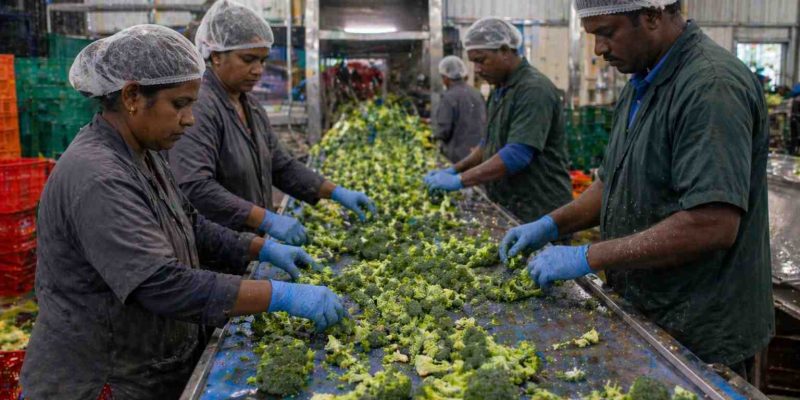
Introduction
Starting a Vegetable Processing Plant in 2026 is a smart idea in the food processing industry. Today, people prefer food that is quick to cook, clean, and safe to eat. Because of this, processed vegetables are becoming more common in daily use. It is also a good opportunity for small and medium entrepreneurs.
From small homes to large restaurants, many people want vegetables that are already cleaned and ready to use. This rising demand makes a Vegetable Processing Plant a profitable and growing business when planned in the right way.
In this blog, you will learn everything step by step in clear and simple language.
What is a Vegetable Processing Plant?
A Vegetable Processing Plant is a unit where fresh vegetables are cleaned, processed, and converted into useful food products. The main aim is to increase shelf life, make vegetables easy to use, and reduce waste.
Instead of selling raw vegetables, businesses convert them into:
- Frozen vegetables
- Dehydrated vegetables
- Ready-to-cook vegetable packs
- Purees and sauces
- Pickles
These products are easy to store, transport, and use, which is why they are in high demand in the food market.
Why Start a Vegetable Processing Plant in 2026?
The demand for processed vegetables is increasing every year. Here are some simple reasons why starting a Vegetable Processing Plant is a good choice:
1. More Demand for Quick Food
People are busy and want food that is fast to cook. Ready-to-use vegetables save time and make cooking simple.
2. Longer Storage Life
Fresh vegetables can spoil quickly. Processing helps keep them fresh and usable for a longer time.
3. Growing Food Industry
Hotels, restaurants, and catering services need vegetables daily in large quantities. Processed vegetables help them work faster and more efficiently.
4. Opportunity in Export Market
Processed vegetables are also in demand in other countries. This gives you a chance to grow your business and increase your income.
Step-by-Step Guide to Start a Vegetable Processing Plant
1. Do Proper Market Research
Before starting, understand your target market:
- What customers need
- Which products sell more
- Market price range
- Existing competitors
This step helps you build a strong vegetable processing business.
2. Choose the Right Products
Start with a limited product range such as:
- Frozen peas, corn, and mixed vegetables
- Dehydrated onion and garlic
- Ready-to-cook vegetable mixes
Focusing on a few products helps maintain quality and control costs.
3. Prepare a Business Plan
A clear business plan is important for success. It should include:
- Investment details
- Machinery requirements
- Production capacity
- Marketing strategy
A good plan also helps in getting funding or loans.
4. Select a Suitable Location
Choose a location that:
- Is close to vegetable farms
- Has good road connectivity
- Has proper water and electricity supply
This reduces transportation cost and keeps raw materials fresh.
5. Get Required Licenses
To run a Vegetable Processing Plant legally, you need:
- FSSAI license
- GST registration
- Business registration
- Local approvals
Following rules helps build customer trust.
6. Invest in the Right Equipment
Using efficient Food Processing Machinery is important for smooth operations and consistent quality. You may need:
- Washing and cleaning machines
- Sorting and grading equipment
- Cutting and slicing machines
- Blanching units
- Freezing or drying machines
- Packaging machines
Modern machinery improves speed, reduces labor, and ensures better output.
7. Arrange Raw Materials
A regular supply of fresh vegetables is necessary. You can:
- Work with farmers directly
- Buy from wholesale markets
- Use contract farming
Good sourcing helps maintain quality and stable pricing.
8. Follow Proper Processing Steps
A standard Vegetable Processing Plant process includes:
- Washing and cleaning
- Sorting and grading
- Peeling and cutting
- Processing (freezing, drying, or cooking)
- Packaging
Maintaining hygiene at every step is necessary for good quality.
9. Focus on Packaging and Branding
Packaging plays a key role in product success. Good packaging:
- Keeps products fresh
- Looks attractive
- Builds brand identity
Clear labeling with product details increases customer confidence.
10. Plan Sales and Marketing
To grow your Vegetable Processing Plant, use different sales channels:
- Retail shops and supermarkets
- Hotels and restaurants
- Online platforms
- Distributors
You can also use digital marketing to reach more customers.
Investment Required
The investment depends on your business size:
- Small scale: ₹10–25 lakhs
- Medium scale: ₹25–75 lakhs
- Large scale: ₹1 crore and above
Main costs include:
- Machinery setup
- Raw materials
- Labor
- Packaging
- Transportation
Starting small and expanding gradually is a safe strategy.
Profit Margin in Vegetable Processing
A Vegetable Processing Plant can offer profit margins between 15% to 40%, depending on:
- Product type
- Production efficiency
- Market demand
- Brand value
Value-added products like frozen and ready-to-cook vegetables usually give better returns.
Challenges You Should Know
1. Seasonal Availability
Vegetables are seasonal, so proper storage planning is needed.
2. Quality Control
Maintaining hygiene and consistent quality is very important.
3. Market Competition
Many businesses are entering this field, so strong branding is necessary.
4. Initial Investment
Setting up a Vegetable Processing Plant requires investment, especially for machinery.
Tips for Long-Term Success
- Start with a small product range
- Maintain proper hygiene standards
- Invest in reliable Food Processing Machinery
- Focus on product quality
- Build strong supplier relationships
- Improve products based on customer feedback
Future Scope of Vegetable Processing Plant
The future of the Vegetable Processing Plant business looks very strong. Trends like:
- Ready-to-eat food
- Increasing frozen food demand
- Health-conscious eating habits
are driving growth in this industry.
With better technology and automation, production will become faster and more efficient, creating more business opportunities.
Conclusion
Starting a vegetable processing plant in 2026 is not just a business idea, it’s a long-term opportunity in a fast-growing industry. The key is to start small, focus on quality, and build strong supply and distribution systems.
With the right planning, reliable machinery, and consistent effort, you can turn this into a scalable and profitable business over time.











Comments