
 By
By 
TheStta Matka Klyan Chart is often explored by people who are interested in understanding historical number records and daily pattern trends. It is commonly used as a reference chart to study past number sequences and identify how figures have changed over time. Many readers look at these charts simply to analyze number arrangements, track historical data, and understand repeating combinations.
This article provides a simple and topic-wise explanation of how to read and understand chart patterns. If you are new to this subject, this guide will help you understand the basic structure and analysis methods in an easy way.
What Is a Stta Matka Klyan Chart?
A Stta Matka Klyan Chart is a record-based number chart that displays previous numerical results in a structured format. These records are usually arranged by date, making it easier for users to check older entries and compare them with recent ones.
The chart is mainly used for data observation. Users often review it to understand repeated number sequences, track historical combinations, and identify common trends. Since the chart stores information in an organized way, it becomes useful for those interested in pattern study.
Understanding the Structure of the Chart
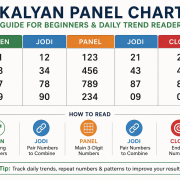
The chart is generally displayed in rows and columns. Each row may represent a specific date or day, while the columns show number entries linked to that date. This organized layout helps readers quickly scan through past records.
A simple pattern analysis starts by observing:
- Repeated numbers appearing in different dates
- Similar sequences in weekly records
- Common number endings
- Frequently occurring combinations
When the data is arranged clearly, users can easily compare previous entries and identify noticeable patterns.
How to Analyze Chart Patterns
Check Repeated Numbers
One of the easiest ways to understand the chart is by finding repeated numbers. Some numbers may appear multiple times across different dates. By reviewing these entries, readers can see whether certain combinations occur regularly.
Compare Weekly Records
Analyzing records week by week can help in understanding short-term trends. Users often compare entries from the same weekday to notice recurring patterns. This method makes it easier to spot similarities.
Observe Number Sequences
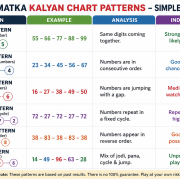
Another common method is to study number sequences. For example, if certain digits appear together repeatedly, it may indicate a noticeable pattern in historical records.
Identify Gaps Between Entries
Some readers also examine the gap between repeated numbers. If a number appears after a certain interval, this can become part of the pattern analysis process.
Importance of Historical Data
Historical data plays an important role in chart analysis. Old records allow users to compare past and current entries, helping them understand how patterns evolve over time.
The Stta Matka Klyan Chart becomes valuable because it stores a long list of previous number records. With enough data, users can perform simple comparisons and observe trends more clearly.
Historical charts are often used for:
- Studying old number combinations
- Comparing monthly records
- Understanding recurring sequences
- Tracking long-term patterns
Simple Tips for Beginners
If you are new to chart reading, start with a basic approach:
- Focus on one week of records first
- Highlight repeated digits
- Compare similar date ranges
- Note down common sequences
- Avoid over complicating the analysis
These steps make it easier to understand chart records without confusion.
Conclusion
The Stta Matka Klyan Chart is mainly used as a historical number record for studying simple patterns and sequences. By reviewing old data, comparing weekly entries, and identifying repeated combinations, readers can gain a better understanding of chart structures.
For beginners, the best way to start is by focusing on repeated numbers and observing how patterns appear over time. A simple and organized approach makes chart analysis easier and more useful for understanding historical data records.
FAQs
What is the purpose of a Stta Matka Klyan Chart?
It is mainly used to view historical number records and analyze patterns in past data.
How can beginners understand chart patterns?
Beginners can start by checking repeated numbers, comparing weekly records, and observing common sequences.
Why is historical data important in chart analysis?
Historical data helps users compare old and recent records, making it easier to identify trends and recurring patterns.
Is chart analysis difficult?
No, with a simple step-by-step approach, chart analysis can be understood easily by anyone interested in number patterns.











Comments